
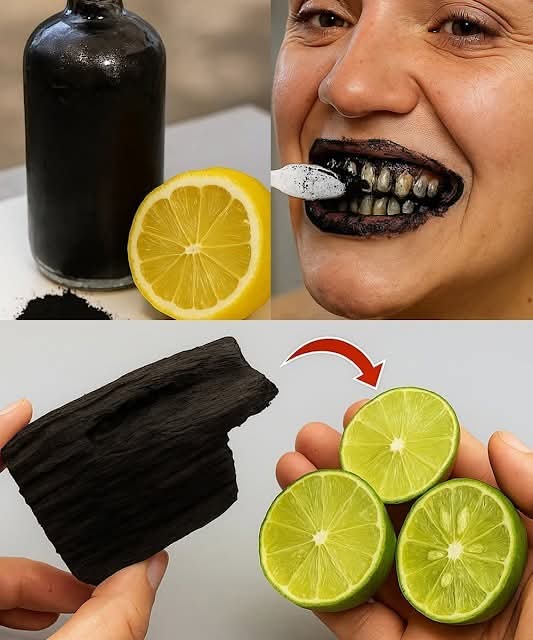
Charcoal Can Interfere With Medicines
Another reason to be careful with regular charcoal consumption is that activated charcoal can bind substances in the digestive tract.
That means it can also interfere with the absorption of some medications.
For someone taking prescription medicine, this could potentially make the medication less effective.
This is one reason why activated charcoal should not be treated like an ordinary daily health supplement without considering its potential interactions.
So, Is Lemon Useful?
Absolutely.
The problem isn’t lemon itself.
Lemon can be a simple and useful ingredient in everyday food. It can add flavor to water, salads, vegetables, fish, sauces, and marinades.
For people who enjoy lemon water, drinking it can be a pleasant way to increase fluid intake.
The important point is not to assume that adding charcoal makes it healthier.
What About Charcoal?
Charcoal also has legitimate uses.
Activated charcoal can be useful in certain medical circumstances under professional supervision, and charcoal-containing cosmetic products can be appropriate when they have been specifically formulated for the skin.
The key difference is formulation and purpose.
A product developed for a particular use is not necessarily equivalent to mixing household ingredients together.
The Natural Doesn’t Always Mean Safe
One of the biggest lessons from the lemon-and-charcoal trend is that “natural” does not automatically mean harmless.
Lemon is natural, but its acidity can damage tooth enamel and irritate skin.
Activated charcoal has legitimate medical applications, but that does not mean it should be consumed every day as a detox drink.
Combining two natural ingredients does not automatically create a miracle treatment.
Better Choices for Common Goals
If your goal is whiter teeth, focus on regular oral hygiene and speak with a dentist about safe whitening options.
If your goal is healthier skin, use gentle skincare products designed for your skin type and protect your skin from sunlight.
If you’re looking for better digestion, focus on adequate hydration, fiber-rich foods, regular physical activity, and a balanced diet.
And if you’re concerned about poisoning or toxins, don’t attempt a homemade detox. Seek appropriate medical advice.
The Bottom Line
Lemon and charcoal can each have useful applications, but the combination isn’t a miracle cure.
Lemon can be a refreshing source of flavor and vitamin C. Activated charcoal has specialized uses, including certain medically supervised poisoning situations.
What you should avoid is assuming that mixing the two creates a powerful treatment for teeth, skin, digestion, or “detoxification.”
In particular, brushing your teeth with lemon and charcoal is not recommended, because the acidic lemon juice can damage enamel.
Sometimes the most valuable lesson behind a viral natural remedy isn’t discovering a miracle—it is learning where a popular ingredient is genuinely useful and where it can do more harm than good.