
[adinserter block=”3″]
Some children may develop patches related to viral illnesses. Certain viruses can trigger temporary skin rashes that appear before, during, or after other symptoms such as fever, sore throat, or fatigue. These rashes often disappear on their own, although a doctor can determine whether further treatment is necessary.
Less commonly, conditions such as psoriasis, vitiligo, seborrheic dermatitis, or autoimmune skin disorders may cause changes in the appearance of the skin. While these conditions are less frequent, they highlight why a proper diagnosis is so important. Many skin problems can appear nearly identical despite having completely different causes and treatments.
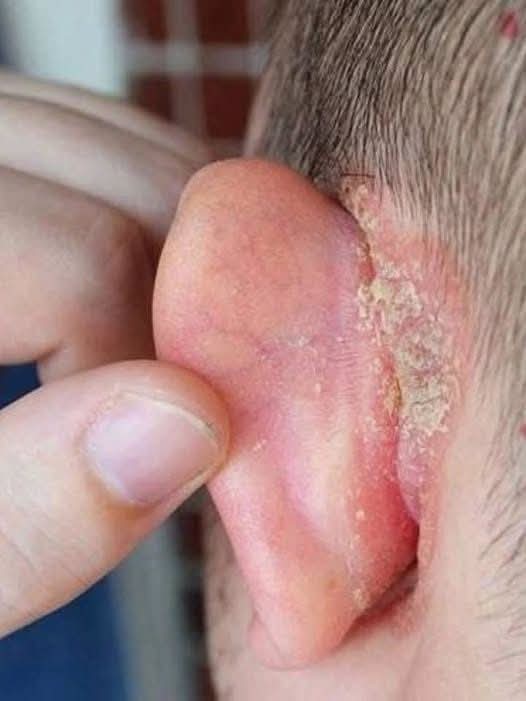
While waiting for the appointment, I learned that careful observation is one of the most useful things a parent can do. It helps to pay attention to whether the patch changes in size, shape, or color. Does it become more red or swollen? Does it begin to itch or hurt? Is there any fluid, bleeding, or crust forming? Taking a photo every day under the same lighting can make it easier to notice subtle changes and provide valuable information to the doctor.
It is also important to avoid experimenting with multiple creams or home remedies. Applying strong medications without knowing the cause may actually worsen the condition or make it harder for the doctor to identify the problem. Keeping the area clean, avoiding scratching, and using only gentle skin care products are usually the safest steps until a medical evaluation takes place.
[adinserter block=”4″]
Parents should also know the warning signs that require immediate medical care instead of waiting for a scheduled appointment. These include rapidly spreading redness, severe swelling, intense pain, fever, pus, bleeding, difficulty hearing, swelling behind the ear, or if the child appears generally unwell. These symptoms may indicate a more serious infection or another condition that requires prompt treatment.
The good news is that the majority of childhood skin conditions are treatable. Depending on the diagnosis, treatment may include moisturizing creams, prescription ointments, antifungal medications, antibiotics, or allergy treatments. In many cases, symptoms improve significantly within days or weeks once the correct treatment begins.
Perhaps the biggest lesson I learned during those days of waiting was that panic rarely helps, but paying close attention does. Children’s skin is constantly changing as they grow, and many harmless conditions can look dramatic at first glance. At the same time, unusual or persistent skin changes should never be ignored, especially if they worsen or are accompanied by other symptoms.
If you ever notice a strange patch of skin on your child’s ear—or anywhere else on the body—try to remain calm, document any changes, keep the area clean, and follow up with a qualified healthcare professional. While online information can help you understand the possibilities, only a proper examination can provide an accurate diagnosis and the right treatment plan.
In the end, staying informed, observing carefully, and seeking timely medical advice are the best ways to protect your child’s health. Most skin conditions are manageable, and with the right care, children usually recover quickly and return to their normal, happy selves.
[adinserter block=”5″]