
[adinserter block=”3″]
I Found a Strange Patch of Skin on My Son’s Ear This Morning—Here’s What I Learned While Waiting for His Doctor’s Appointment
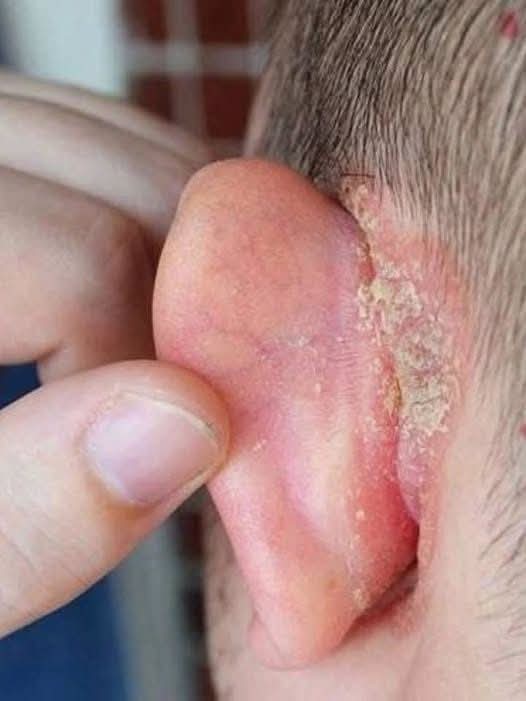
Nothing prepares a parent for the moment they notice something unusual on their child’s skin. It could be a tiny bump, an unexpected rash, or a strange patch that seemed to appear overnight. That was exactly what happened one morning when I noticed an odd-looking patch of skin on my son’s ear. It wasn’t there the day before, and suddenly I found myself asking all the questions every parent asks: What is it? Is it serious? Should I be worried?
His doctor’s appointment wasn’t for another week, so while keeping a close eye on the area, I spent time learning about the many possible causes of skin changes in children. One thing quickly became clear: skin conditions are incredibly common, and many of them look surprisingly similar. Although the internet can provide general information, it should never replace a proper medical examination. Still, understanding the possibilities helped me stay calm while waiting for professional advice.
[adinserter block=”4″]
The skin on the ears is thinner and more sensitive than many other parts of the body. Because of this, it can react easily to changes in the environment, allergies, irritation, or infections. Sometimes a patch may simply be dry, rough, or flaky because of weather changes, frequent washing, or exposure to cold wind. In other cases, it may be linked to eczema, one of the most common skin conditions in children. Eczema often causes red, itchy, inflamed patches that can become dry and cracked if left untreated.
Another possibility is contact dermatitis, which happens when the skin reacts to something it has touched. This could include shampoo, soap, sunscreen, hair products, laundry detergent, metals found in jewelry, or even the material of a hat or helmet. Once the irritant is removed, the skin often begins to improve over time.
Fungal infections are another cause of unusual skin patches. These infections can create circular or irregular areas that may appear red, dry, scaly, or itchy. While fungal infections are generally treatable, they require the correct diagnosis because treatments differ from those used for eczema or allergies.
Bacterial infections may also affect the ear, especially if there has been a scratch, insect bite, or broken skin that allowed bacteria to enter. These infections often become painful, swollen, warm to the touch, and may produce yellow drainage or crusting. If these symptoms develop, prompt medical attention is important because antibiotics may be needed.
Insect bites are another possibility that parents sometimes overlook. Mosquitoes, spiders, ants, and other insects can leave behind swollen, itchy patches that may look alarming but usually improve within a few days. However, excessive swelling, spreading redness, or signs of infection should always be evaluated by a healthcare provider.
[adinserter block=”5″]
see more in the next page